Serum is the most active step in any routine, but it's also the one that gets wasted the most when used in the wrong order or at the wrong time. This guide answers all your questions: when to apply it, where it fits in your routine, how to choose yours, and what mistakes to avoid.
Should serum be applied in the morning, at night, or both?
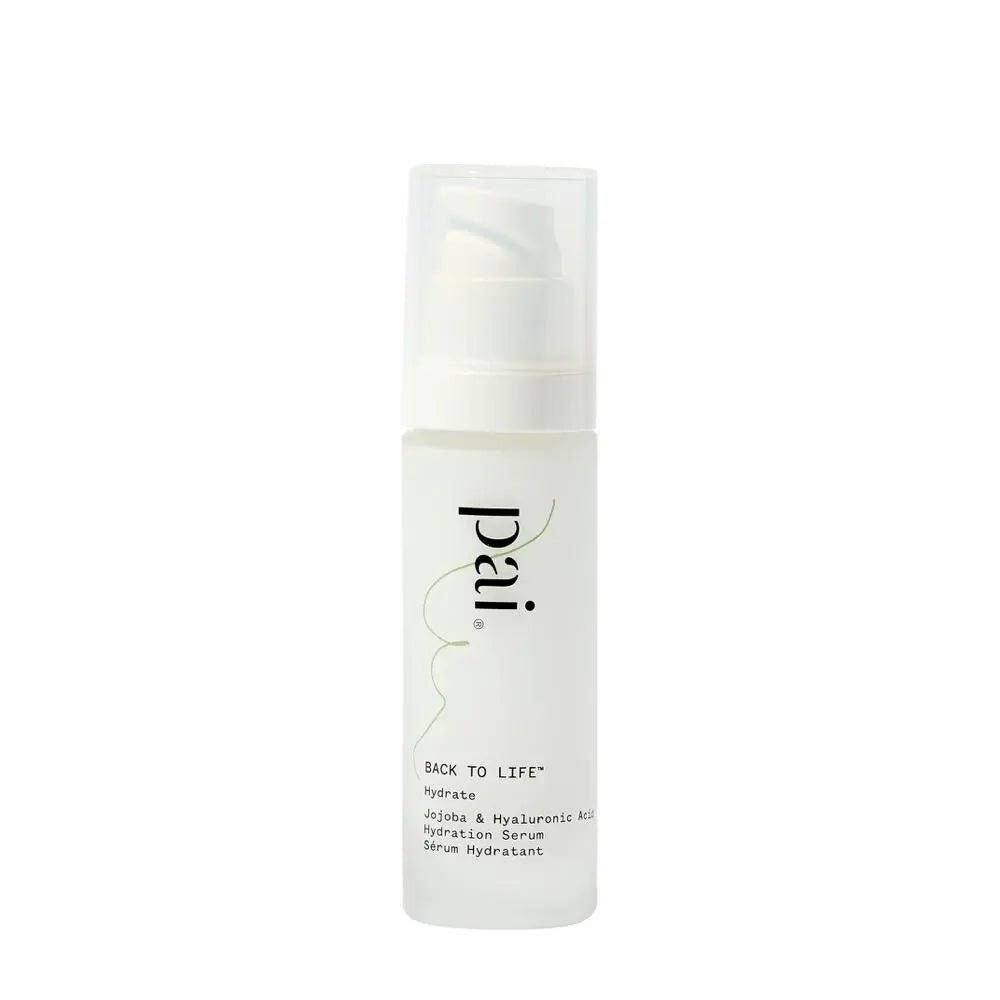
It depends on the active ingredient. Antioxidant serums—like vitamin C and niacinamide—work best in the morning to protect against environmental damage. At night, more renewing serums like retinol, retinal, and exfoliating acids are ideal, as they take advantage of cellular regeneration during sleep and avoid photosensitivity. Hydrating serums with hyaluronic acid can be used at both times without issue.

Order of product application
The rule is simple: from least to most dense. Due to its light texture, serum always goes before cream.
1. Cleanser
Without prior cleansing, blocked pores prevent serum from penetrating. This step conditions everything else.
2. Exfoliant
Optional and not daily. If you exfoliate, do it here, before toner. Once a week for mature or sensitive skin; twice for young or oily skin.
3. Toner
Balances pH after cleansing and makes the skin more receptive. If you use it, always before serum.
4. Serum
Two or three drops in your palms, pat onto face and neck, do not rub. Wait thirty seconds before continuing.
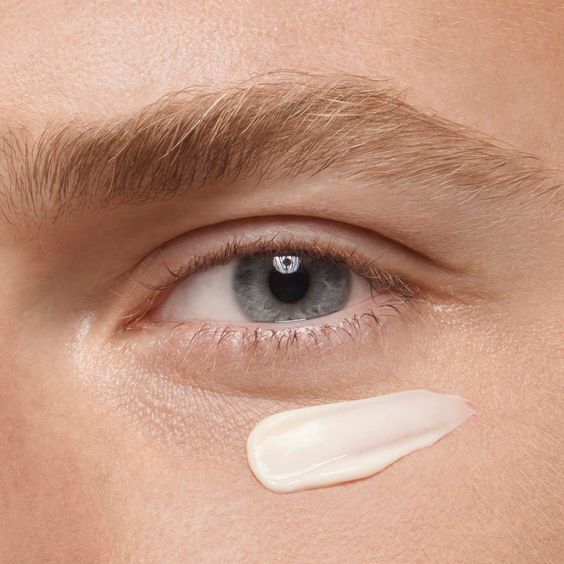
5. Eye cream
After serum and before moisturizer. The periorbital area needs its own formulation.
6. Moisturizer
Seals in the active ingredients of the serum and prevents water loss. Always after, never before.
7. Sunscreen
The last step in your daytime routine, no exceptions. Many active ingredients in serums—vitamin C, retinol, acids—increase sun sensitivity. Without SPF, serum can do more harm than good.
Water-based serum or oil-based serum: the order also changes
Water-based or gel serums go before moisturizer, as usual. Oil-based serums, however, go at the end of the routine, after the cream, because they seal in moisture. If you apply oil first, it forms a barrier that prevents subsequent products from penetrating. Two serums in the same routine: first the water-based, then the cream, then the oil-based.

Can you use only serum without moisturizer?
For normal or combination skin, some multi-function or oil-based serums can replace cream, especially in warmer months. For dry or mature skin, skipping cream leaves the skin without the barrier it needs to retain moisture. The serum + cream combination always yields better results than either one alone.
What type of serum to choose
Dry or dehydrated skin
Hyaluronic acid to retain water, ceramides to reinforce the barrier. Prescription's Hyaluronic Acid 5% + DMAE 1% is a benchmark option for deep and sustained hydration.
Oily or blemish-prone skin
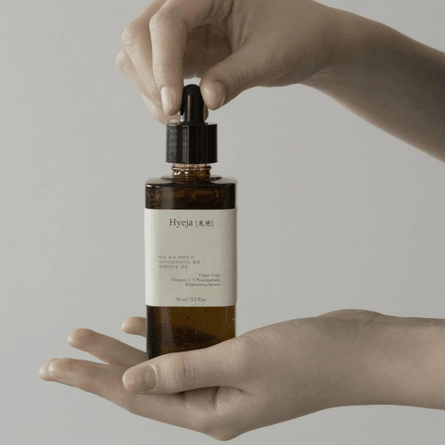
Niacinamide to regulate sebum and refine pores, salicylic acid when there are active blemishes. Gallinée's Gelée Vinaigre combines lactic acid and hibiscus vinegar with probiotic action; Hyeja's Vegan Niacinamide Heartleaf Calming Serum
is specifically for sebum control.
Skin with signs of aging
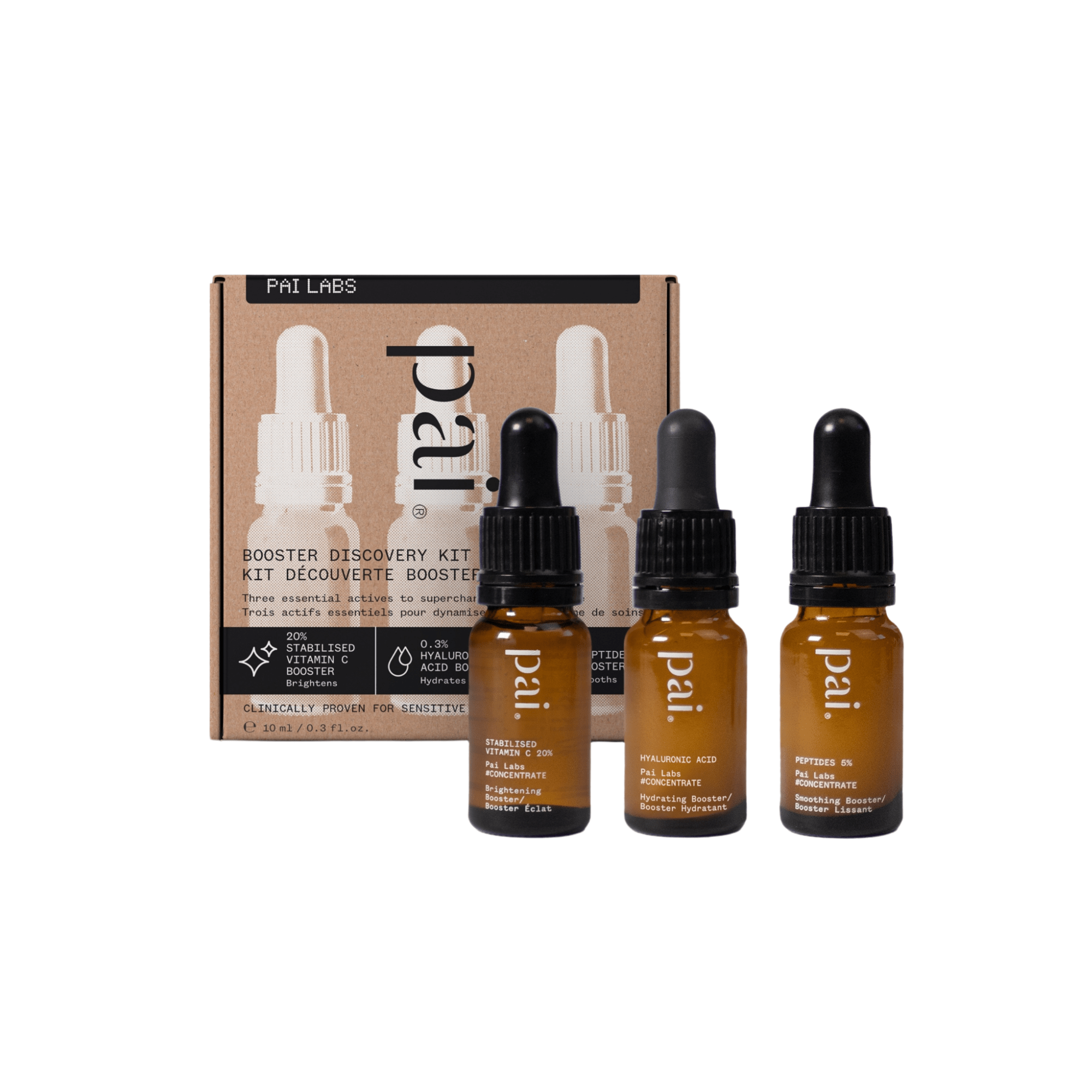
Retinol and retinal stimulate collagen and improve firmness. Pai Skincare's Retinoid 0.3% Booster has the same benefits as retinol without its irritating potential, suitable even for sensitive skin. For maximum regenerating power, Bioeffect's EGF Serum activates cell renewal with growth factor.
Spots and lack of luminosity
Daytime vitamin C to prevent oxidation and brighten; Pai Skincare's Fade Forward Serum to correct existing spots. It is essential to use SPF during the day, or results will be reversed.
Common mistakes when applying serum
- Applying it on dirty skin. Without cleansing, active ingredients won't penetrate.
- Putting it after moisturizer. Moisturizer creates a barrier that serum cannot penetrate.
- Rubbing instead of patting. Reduces absorption and can cause irritation.
- Ignoring SPF. Without sun protection, many active ingredients become counterproductive.
- Changing serums every week. Skin needs at least four weeks to show results.