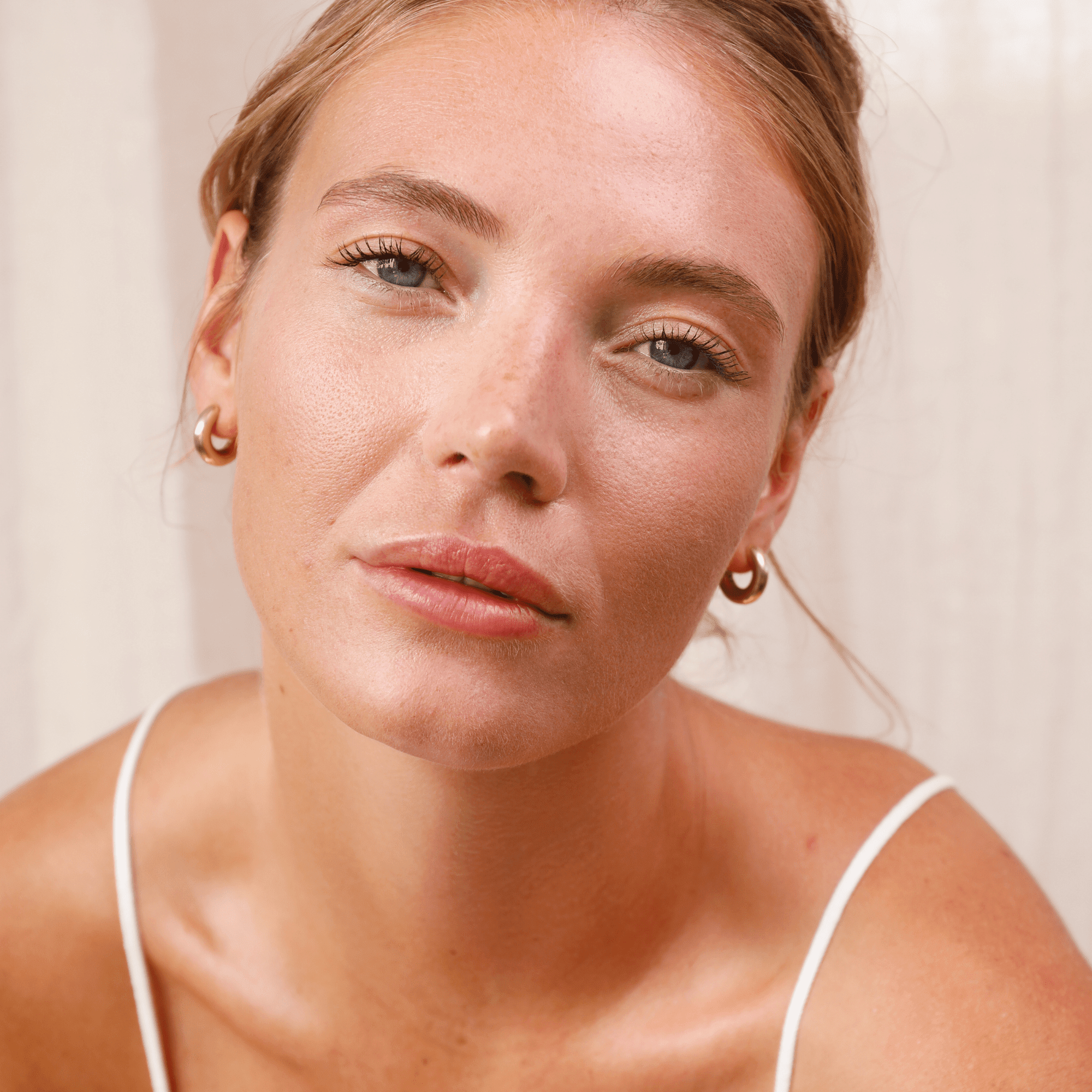
At 50, the eye contour undergoes changes unprecedented in previous decades. The hormonal decline associated with menopause causes a drop in dermal collagen of up to 30% in the first five years, which in the periocular area translates into three simultaneous phenomena: deeper wrinkles that are no longer filled with simple hydration, loss of volume in the orbital bone, and the onset of eyelid drooping that changes the eye's opening. No eye contour designed for 30s or 40s is formulated to address this triple challenge. This guide explains what to look for, which active ingredients are essential, and how to apply eye cream for real results.
Reasons to use an eye cream at 50
The periocular skin is the thinnest on the body, lacks its own sebaceous glands, and endures up to 10,000 blinks daily. At 50, these factors worsen because estrogen production, which stimulated collagen synthesis and maintained the lipid barrier, sharply declines. The result is an area that simultaneously loses density, elasticity, and water retention capacity.
Using a conventional facial cream in this area is not enough for two reasons: the concentrations of active ingredients designed for the cheek can irritate such thin skin, and rich textures migrate towards the eye. A specific eye cream for mature skin is ophthalmologically tested, formulated with active ingredients at the correct doses, and with textures that do not move towards the tear duct.
Consistency is as important as the product. The periocular area responds slowly because its circulation is more limited than the rest of the face. Results in firmness and density begin to be seen between the fourth and eighth week of daily use, not before.
Essential active ingredients for eye cream at 50
At 50, the formula must act on three fronts simultaneously: regenerate, tighten, and nourish. These are the active ingredients that make a difference:

For deep wrinkles and crow's feet
Retinol and retinal in low concentrations (between 0.02% and 0.05%) stimulate collagen production and accelerate cell renewal. Epidermal growth factor (EGF) goes further: it activates cell receptors so that the skin regenerates from within, with visible results in density and smoothing that retinol alone cannot achieve. Low molecular weight hyaluronic acid penetrates the dermis and fills from within, while high molecular weight hyaluronic acid forms a film on the surface that maintains hydration.
For loss of firmness and drooping eyelids
Tightening and biomimetic peptides are the most effective and well-tolerated active ingredients for such a delicate area. They work by stimulating collagen and elastin synthesis without irritation. Acmella oleracea extract has a mild muscle-relaxing effect that reduces the tension causing eyelid drooping, improving eye opening. Red ginseng firms the dermal matrix and visibly smooths crow's feet with continued use.
For persistent bags and dark circles
Caffeine is the most proven active ingredient for activating microcirculation and reducing fluid retention that forms bags. Biopolymers and natural gums provide an immediate tightening effect while the active ingredients work long-term. For vascular dark circles — the most common at this age — vitamin C and brightening extracts unify tone and provide luminosity without harming the skin barrier.
For extreme dryness and deep nourishment
At 50, the periocular area needs lipids, not just water. Omega 3, 6, and 9 fatty acids strengthen the lipid barrier and reduce the feeling of tightness. Encapsulated oils like rosehip or camellia provide nourishment without migrating to the eye or causing milia granulomas, a common problem when pure oils are applied to this area.

How to choose a good eye cream for mature skin
Beyond the ingredients, texture and timing of use are decisions that directly affect results:
Texture according to your main need
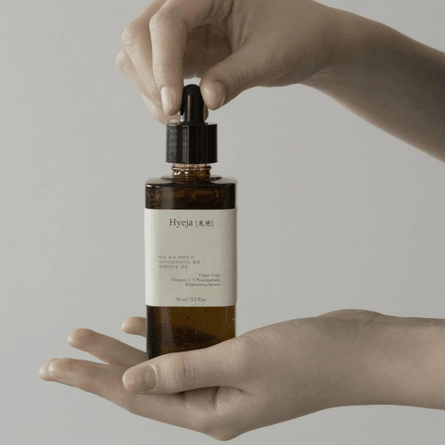
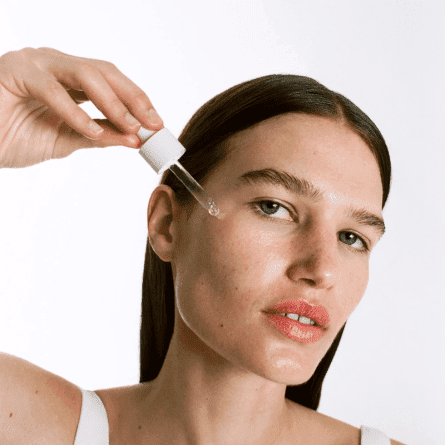
Light gels, ideal for young skin, are insufficient at 50: they do not provide the nourishment the area needs. Semi-solid creams or balms are the most complete option because they combine anti-aging active ingredients with a lipid base that reinforces the barrier. Contour serums in roll-on or dropper format are a good option as a pre-treatment to be applied under the cream, adding a layer of concentrated regenerating active ingredients.
Morning vs. night routine
In the morning, eye cream plays a protective role in addition to treatment: look for a formula that includes antioxidants to neutralize free radical damage during the day. At night, it's time to apply the most powerful active ingredients such as EGF, retinoids, or regenerating peptides. If your budget allows for two eye creams, the day/night duo multiplies the results. If you only use one, apply it morning and night and incorporate the SPF of your facial protector, carefully extending it up to the orbital bone.
How to apply eye cream correctly
Application technique is as crucial as the product:
- Ring finger exclusively. It naturally applies the least pressure. Rubbing or stretching periocular skin accelerates sagging.
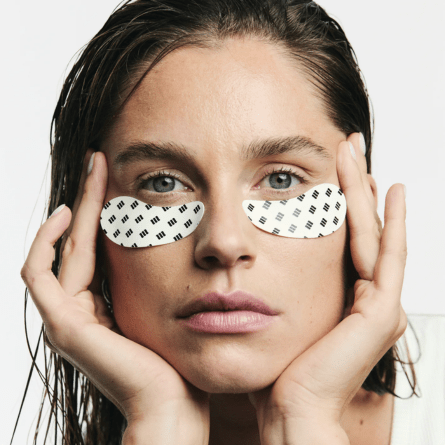
- Gentle taps on the orbital bone, never drag. From the inner corner towards the temple on the bottom; from the supraorbital arch outwards on the top.
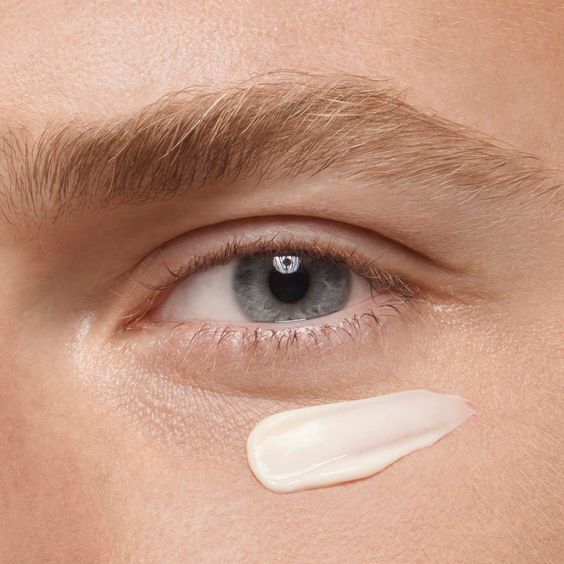
- A grain of rice amount. More quantity does not improve the result and can cause swelling or migration towards the tear duct.
- Never on the upper eyelid or near the tear duct. Eyelid skin is permeable, and direct contact can irritate the eye.
- If using a contour serum under the cream, apply the serum first, let absorb for 30 seconds, then apply the cream over it. The serum provides concentrated active ingredients; the cream seals and nourishes.
- Cold activates decongestant active ingredients. If your eye cream doesn't have a metal applicator, keep it in the fridge or apply it first thing in the morning to enhance the anti-bag effect.
The best eye creams for 50-year-olds at Laconicum
For 50-year-old skin seeking comprehensive results, The Eye Cream by Augustinus Bader is the most complete treatment in the selection. Its TFC8 technology optimizes cell communication, simultaneously improving firmness, luminosity, and reducing dark circles with continued use.
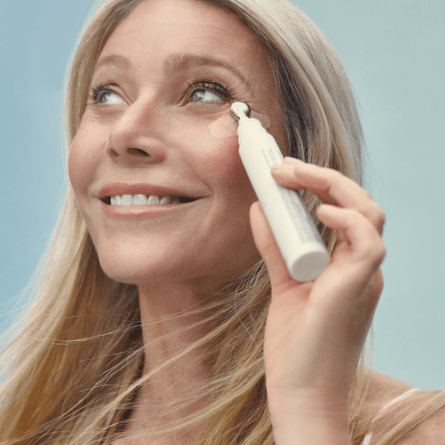
If intense cell renewal is desired, Bioeffect's EGF Eye Serum is the best complement: its barley growth factor activates regeneration from within, and thanks to its roll-on format with a metal ball, it stimulates microcirculation upon application.