Mistakes in your facial routine: the 10 mistakes that ruin your skincare (and how to fix them)
You have a routine. Cleanser, serum, moisturizer. You apply it every day. But something isn't working. Your skin still looks dull, breakouts appear, and you notice tightness. The problem? It's probably not what you use, but how you use it.
Skincare routine mistakes are more common than you think. And the worst part: many go unnoticed for months. Here are the 10 most frequent errors and, importantly, how to correct them.
View products for dry skin

Why your skincare routine isn't working (even though you're doing everything "right")
Facial cosmetics aren't magic. They're chemistry, biology, and consistency. You can have the best products in the world, but if you apply them incorrectly, in the wrong order, or without considering your skin type, you won't see results.
The good news: most mistakes have easy fixes. You just need to identify them.
The 10 most common mistakes in your skincare routine

1. Skipping cleaning (or doing it wrong)
Cleansing is 50% of skincare. Or more. Unclean skin can't absorb anything. It doesn't matter how expensive your serum is if you apply it over a layer of dirt, makeup, and accumulated sunscreen.
The most common mistake: using only water. Or worse, using makeup remover wipes and thinking that's enough. Wipes just rub off, they don't clean. They leave residue.
The solution: double cleansing. First, an oil-based cleanser or balm to dissolve makeup and oil. Then, a water-based cleanser to remove any remaining residue. Gallinée's Foaming Facial Cleanser is perfect for this second step: it respects the skin's pH and doesn't leave it feeling tight. If you have sensitive skin, Pai's Middlemist Seven cleanses gently.

2. Not knowing your skin type
It sounds basic, but it's the root of many problems. Using products for oily skin when your skin is dehydrated. Thinking you have dry skin when it's actually sensitive. Mistaking shine for oil when what you really have is dehydration.
How to identify it:
- Oily skin: generalized shine, visible pores, tendency to breakouts
- Dry skin: tightness, flaking, low sebum production
- Combination skin: oily T-zone, normal or dry cheeks
- Sensitive skin: reacts with redness, itching, or irritation to products or temperature changes
- Dehydrated skin: it's not a type, it's a condition. Any skin can be dehydrated.
Skin changes too. With the seasons, with age, with hormones. What worked two years ago may not work now.
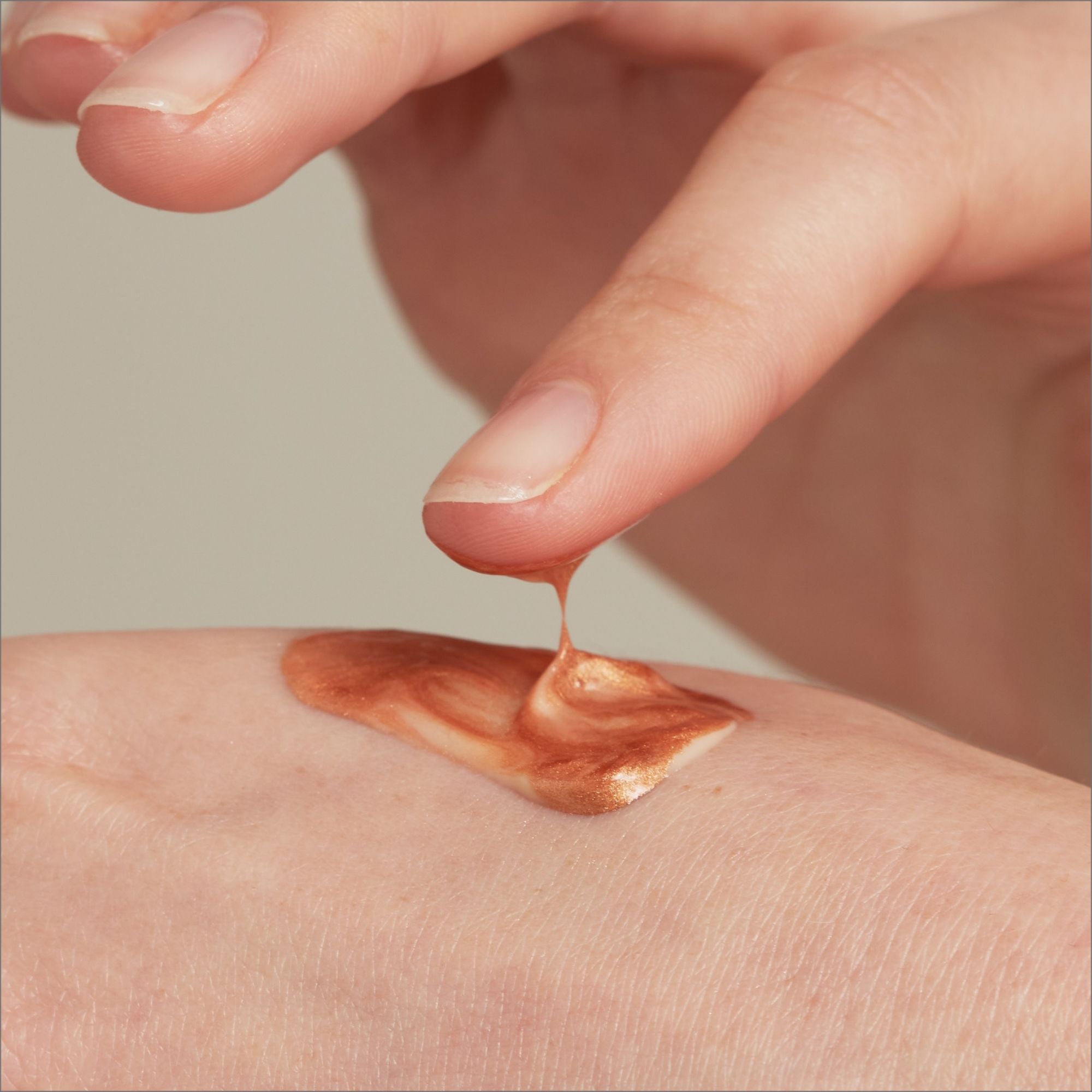
3. Using products that are not for you
You bought that viral TikTok serum. Everyone's using it. It irritates your skin. That's normal. What works for one person's skin doesn't work for everyone's.
Strong acids wreak havoc on sensitive skin. Rich textures clog oily skin. Astringent products leave dry skin feeling like parchment.
The solution: listen to your skin. If a product irritates you, causes breakouts, or makes you uncomfortable, it's not for you. It doesn't matter what the reviews say. Your skin is in charge.
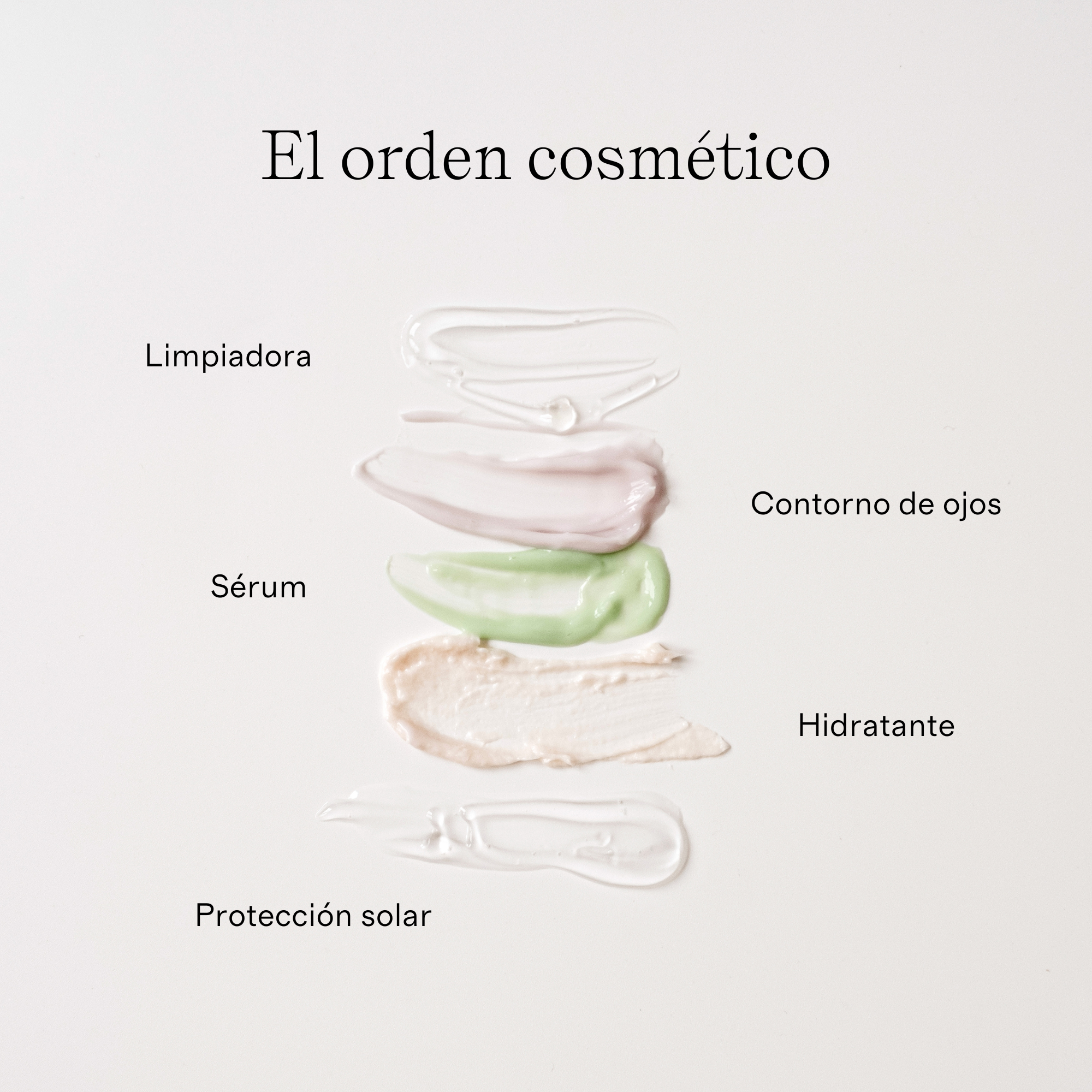
4. Applying the products in the wrong order
The order matters. Applying serum before or after moisturizer is not the same. If you do it wrong, the active ingredients won't penetrate.
The general rule: from lightest to densest. Water-based products first, then oil-based ones.
The correct order in the morning: cleanser → toner (optional) → serum → eye cream → moisturizer → sunscreen.
The correct order at night: cleanser (double cleanse if you wear makeup) → toner → serum/treatment → eye cream → moisturizer or oil.
The correct order of a facial routine (step by step)
Morning routine:
- Gentle cleanser
- Tonic (optional)
- Serum (vitamin C, hyaluronic acid, or whatever you need)
- Eye contour
- Moisturizing
- Sunscreen SPF30 minimum
Nighttime routine:
- Oil cleanser or balm (if you're wearing makeup/sunscreen)
- Water-based cleaner
- Tonic (optional)
Once a week: exfoliant and/or mask.
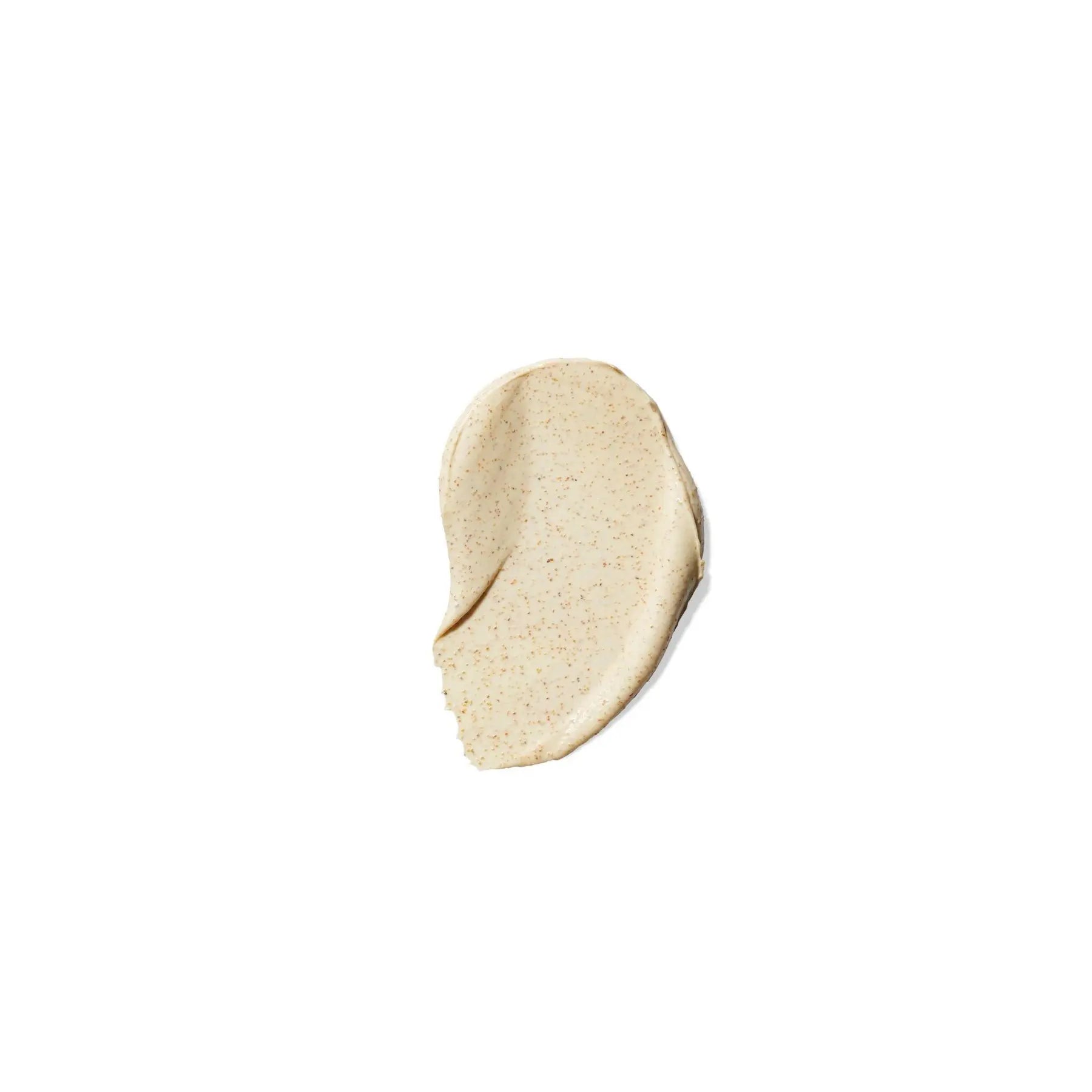
5. Exfoliating too much (or too little)
Exfoliation is necessary. It removes dead skin cells, improves texture, and helps products penetrate better. But too much exfoliation damages the skin barrier. The result: sensitive skin, redness, and reactive breakouts.
The key is balance: once or twice a week is enough for most skin types. And gentle chemical exfoliants (lactic acid, enzymes) are better than harsh scrubs with abrasive particles.
Gallinée's Face Mask & Scrub combines a mask and exfoliator in one product. It's gentle, non-irritating, and leaves skin polished without being harsh. Perfect for skin that doesn't tolerate intense exfoliation.

6. Forgetting sunscreen
This is the most serious mistake. And the most common. The sun is responsible for 80% of visible skin aging: wrinkles, age spots, sagging. It doesn't matter if you use the best anti-aging serum on the market if you don't protect your skin from the sun.
And no, it's not just in summer. UVA rays penetrate clouds and windows. They're there in January and August.
The solution: sunscreen every day, 365 days a year. As the last step in your morning routine. Huxley's Sun Essence Stay Sun Safe SPF50+ has a fluid texture and doesn't leave a white cast. It absorbs quickly and feels weightless. If you want something even lighter, Laconicum's Mimitika SPF50 is a best-seller for a reason: it protects, doesn't stain, and you'll actually want to use it.
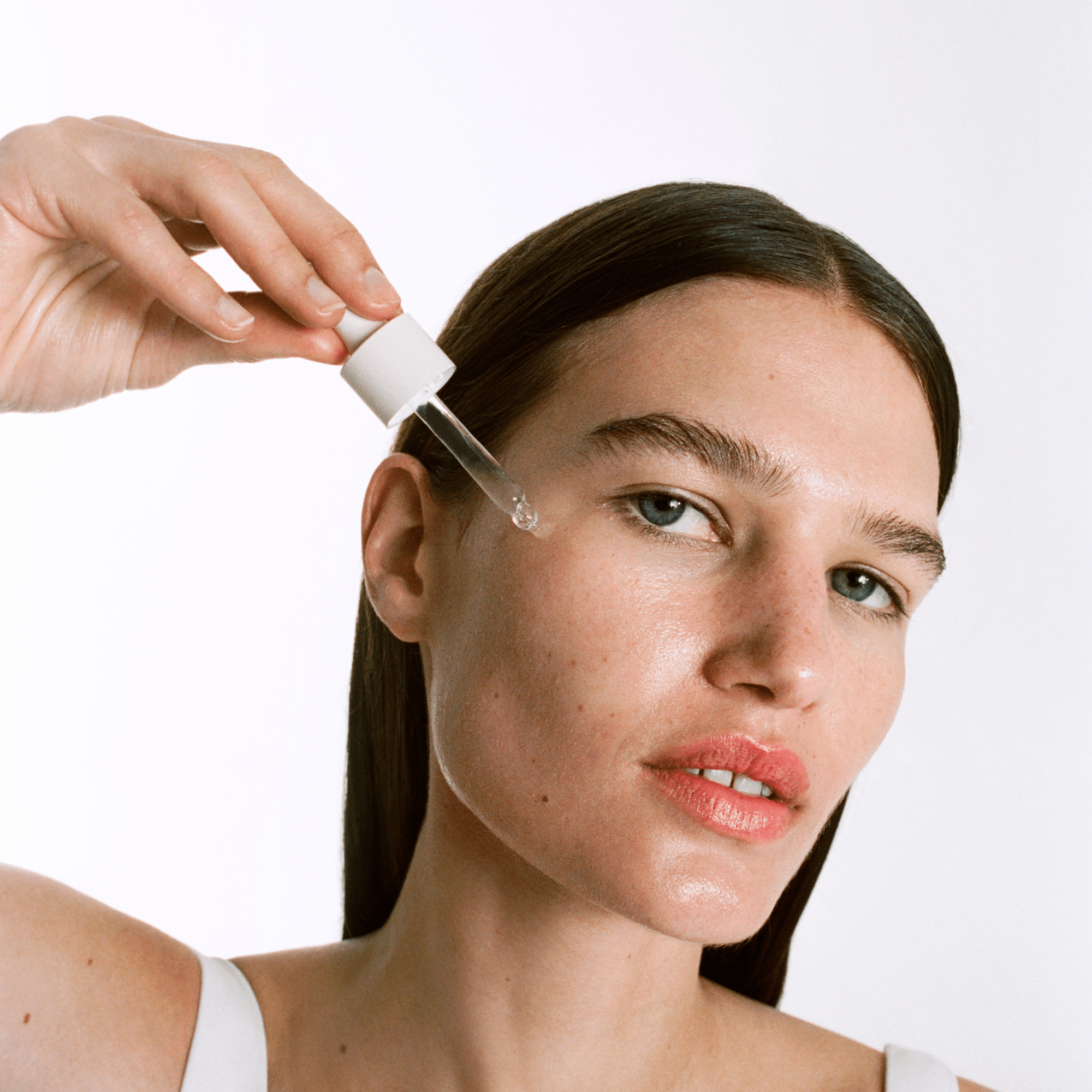
7. Not respecting absorption times
You apply the serum and immediately afterward the cream. Mistake. Each product needs time to absorb before applying the next. If you don't wait, the products will mix on the surface and won't penetrate properly.
The rule: wait between 30 seconds and 1 minute between each step. You don't need to time it, but do let the product absorb before continuing. If you notice it pilling or the texture becoming strange, you're probably applying it too quickly.

8. Using too many products at once
The "more is more" syndrome. Five serums, two acids, retinol, and vitamin C in the same routine. Your skin doesn't need all that. In fact, overloading can be counterproductive.
Too many active ingredients at once can sensitize the skin. Some ingredients don't mix well together, and your skin barrier ends up paying the price.
The solution: simplify. A basic routine of cleanser, serum, moisturizer, and sunscreen is sufficient for most skin types. If you want to add specific treatments (retinol, acids), introduce them one at a time and observe how your skin reacts.

9. Being inconsistent with your routine
You use the products one week, forget about them the next, and change serums every month because you don't see immediate results. That's not how skin works.
Cosmetic ingredients need time to take effect. The cell renewal cycle lasts approximately 28 days. This means that the results of a new product take at least a month to become noticeable. Sometimes longer.
The solution: choose a routine and stick to it for at least 6-8 weeks before deciding whether it works or not. Consistency is more important than using the most expensive products.

10. Not adapting your routine to each moment
The same routine in summer as in winter. The same products at 20 as at 40. Your skin changes, and your routine should change with it.
In summer, lighter textures and enhanced sun protection. In winter, more intense hydration and products that strengthen the skin barrier. As we age, more anti-aging and regenerating ingredients.
The solution : review your routine with the changing seasons. Observe how your skin is and adjust accordingly. You don't need to change everything, just adapt.

How to know if your routine is working
Your skin speaks to you. You just have to listen to it.
Signs that you're doing well:
- Comfortable skin, without tightness or excess oil
- Uniform texture
- Luminous tone
- Fewer imperfections over time
Signs that something is wrong:
- Irritation, redness or itching
- More pimples than usual
- Dull or uneven skin texture
- Feeling that the products "do nothing"
If you notice these signs, review your routine. You're probably making some of the mistakes we've discussed.
The perfect routine doesn't exist. There is a routine that works for your skin. Finding it requires some trial and error, but above all, it requires paying attention.

PRODUCTS FOR DRY SKIN